Sewer Pipe Cleaning in Austin, TX
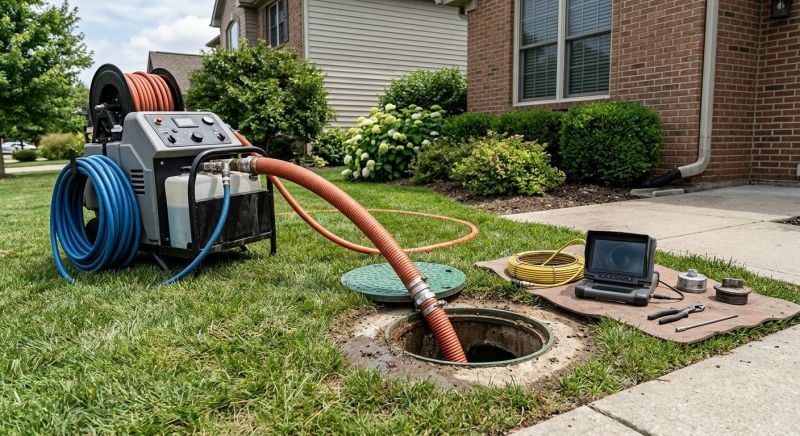
Sewer pipe cleaning services involve removing blockages, buildup, and debris from underground sewer lines to ensure proper flow and prevent backups. This service covers a variety of projects, including clearing clogged drains, maintaining main sewer lines, and addressing issues caused by tree roots or accumulated grease. Property owners typically seek sewer pipe cleaning when experiencing slow-draining sinks, toilets that won’t flush properly, or foul odors emanating from drains, helping to restore normal plumbing function and avoid more costly repairs.
Before requesting sewer pipe cleaning, homeowners should understand the location of accessible cleanouts and whether there are any existing plumbing issues that might require additional inspection or repair. It’s also useful to know if recent plumbing work has been done or if there are recurring problems that suggest a deeper blockage or pipe damage. Proper assessment can help determine the most effective cleaning method and prevent future issues, ensuring the sewer system operates smoothly and efficiently.
Many property owners in Austin, TX look into Sewer Pipe Cleaning for repairs, replacements, upgrades, and appearance-related improvements.
Common Blockages
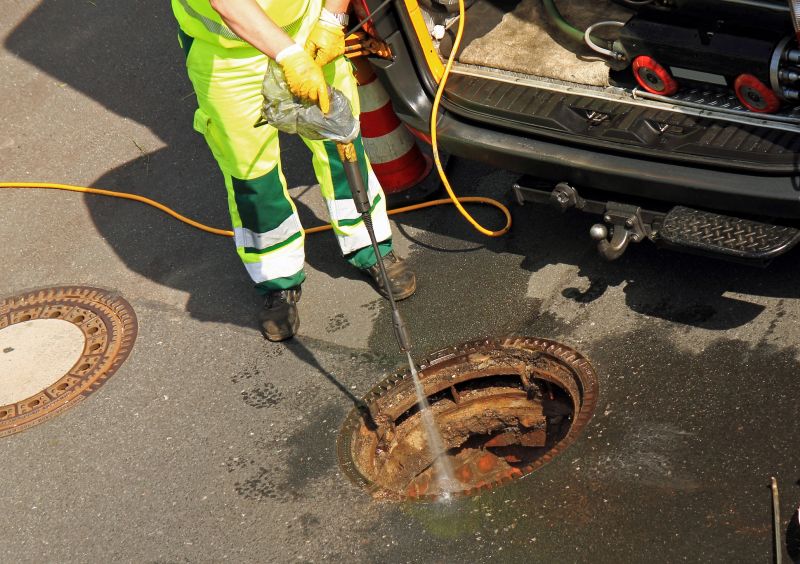
Sewer pipe cleaning can resolve stubborn clogs caused by grease, debris, or tree roots in austin homes.
Preventive Maintenance
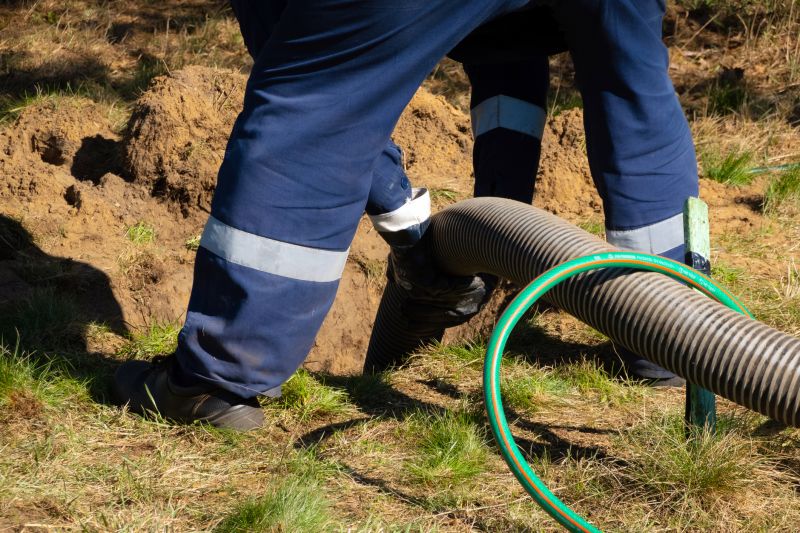
Regular cleaning helps maintain proper flow and prevents costly backups in residential and commercial properties.
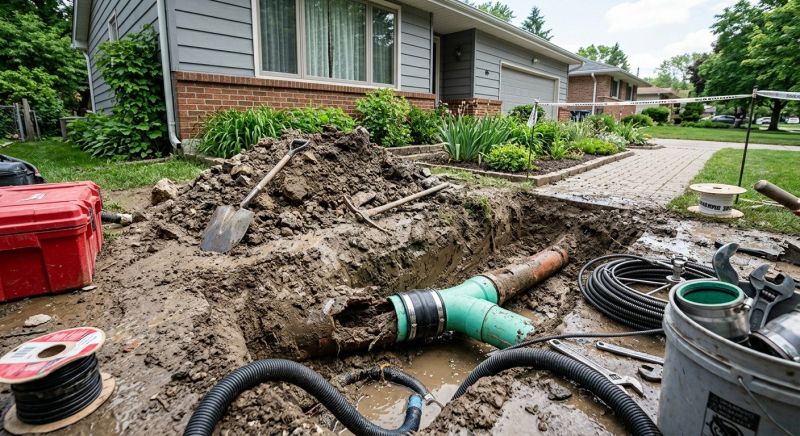
Emergency Services
Immediate sewer pipe cleaning addresses sudden backups and foul odors that disrupt daily life in austin neighborhoods.
Sewer Pipe Cleaning in Austin, TX

Sewer pipe cleaning services involve removing blockages, buildup, and debris from underground sewer lines to ensure proper flow and prevent backups. This service covers a variety of projects, including clearing clogged drains, maintaining main sewer lines, and addressing issues caused by tree roots or accumulated grease. Property owners typically seek sewer pipe cleaning when experiencing slow-draining sinks, toilets that won’t flush properly, or foul odors emanating from drains, helping to restore normal plumbing function and avoid more costly repairs.
Before requesting sewer pipe cleaning, homeowners should understand the location of accessible cleanouts and whether there are any existing plumbing issues that might require additional inspection or repair. It’s also useful to know if recent plumbing work has been done or if there are recurring problems that suggest a deeper blockage or pipe damage. Proper assessment can help determine the most effective cleaning method and prevent future issues, ensuring the sewer system operates smoothly and efficiently.
Many property owners in Austin, TX look into Sewer Pipe Cleaning for repairs, replacements, upgrades, and appearance-related improvements.
Common Sewer Pipe Cleaning Jobs
Sewer Pipe Cleaning - Clearing blockages to restore proper flow and prevent backups.
Drain Cleaning - Removing debris and buildup that cause slow drains or clogs.
Root Removal - Eliminating tree roots invading sewer lines to prevent damage.
Pipe Inspection - Using cameras to identify issues inside underground sewer pipes.
Clog Prevention - Maintaining clear pipes to avoid future plumbing emergencies.
Main Line Flushing - Flushing out accumulated debris to improve sewer system performance.
Sewer Pipe Cleaning Questions
What are common signs of a clogged sewer pipe? Signs include slow draining fixtures, gurgling sounds, and sewage odors in the property.
Why is sewer pipe cleaning important? Regular cleaning helps prevent backups, reduces odors, and maintains proper drainage throughout the property.
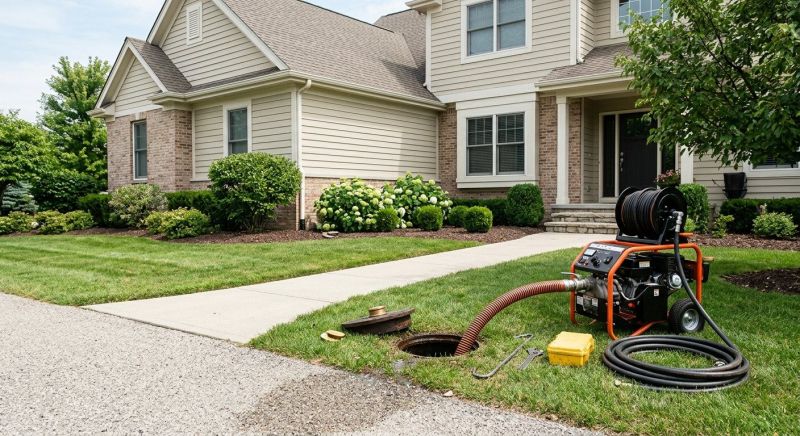
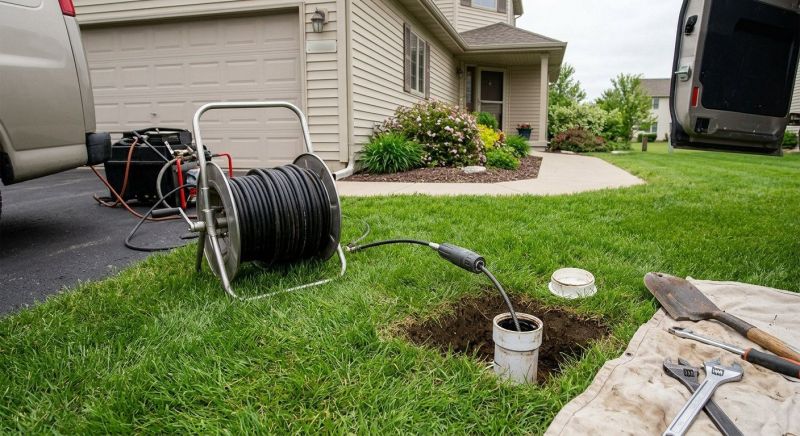
What methods are used to clean sewer pipes? Techniques include high-pressure water jetting and drain snaking to remove blockages and buildup.
How often should sewer pipes be cleaned? It depends on usage, but generally, pipes benefit from cleaning every 1 to 3 years to prevent issues.
Request Sewer Pipe Cleaning in Austin, TX
Use the quote form on this page to share the basics of your project and request more information for the type of work you need.